
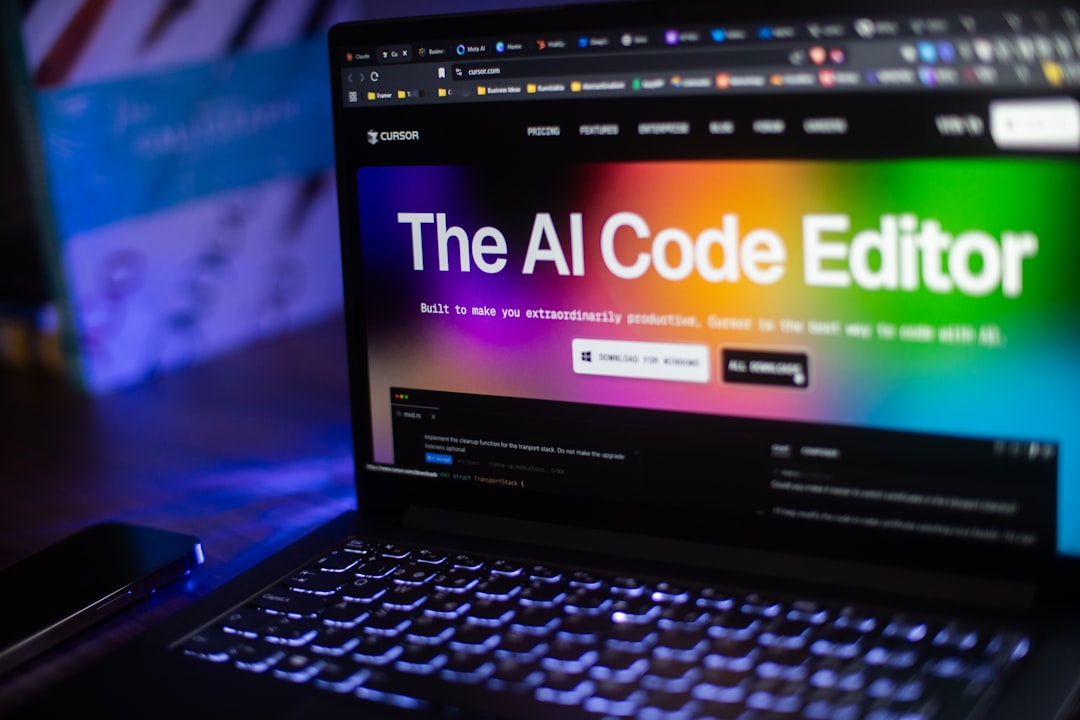
5 Ways AI Tools Elevate Web Agency Website Generation
AI Tools and How Web Agencies Deliver for Clients
AI Tools are reshaping how web agencies deliver value to clients. By turning complex tasks into repeatable workflows, agencies can move faster while maintaining quality. For small businesses, this means seeing prototypes sooner and making informed choices without heavy up front risk. In practice, AI Tools power steps from research to final polish, giving teams a toolset that scales with demand.
Teams are using AI to map user journeys, generate landing page variants, and test ideas without lengthy human cycles. The result is closer collaboration with clients, quicker sign offs, and more opportunities to iterate. The combination of data-driven insights and automated production means lighter project risk and greater confidence when presenting a first look. Platforms like MakeWebsite.now let agencies generate live previews in seconds, speeding client feedback.
AI Tools in Action for Website Generation
When a web agency starts a new project, AI Tools can handle initial scaffolding so humans focus on strategy and storytelling. Website Generation becomes not just a template selection exercise but an intelligent process that aligns visuals, content, and performance with business goals. Early stage ideas can be validated with rapid previews, reducing time spent on iterations that do not move the needle.
Concrete capabilities now include content generation for core sections, automatic image or graphic assets, accessible color palettes, and structured data for SEO. Below are practical implementations you can apply in both small businesses and larger client engagements.
- Template selection and auto styling based on brand attributes such as color, tone, and audience
- Auto generated content for pages like About, Services, and FAQs
- AI assisted image creation and optimization with relevant alt text
- SEO scaffolding including meta tags, headings, and structured data recommendations
- Accessibility checks and color contrast guidance during design
Design Consistency and Brand Cohesion with AI-Driven Workflows
Brand consistency used to require manual checks across dozens of pages. AI powered workflows now track design tokens, typography scales, and spacing rules to keep every page aligned with the brand. This reduces drift between pages and makes updates easier. For example, if you adjust the primary CTA color in your design system, AI can propagate that change across templates and new pages without breaking layout rules.
In practice, agencies create a centralized set of rules for color, typography, and spacing. Then AI tools generate layout options that stay inside those rules while offering variations for testing. This approach preserves the human touch where it matters most while removing tedious, repetitive tasks that slow projects down.
Practical Steps for Agencies Embracing AI Tools in Projects
Adopting AI Tools within a live client project is not about replacing people but about augmenting capabilities. Use a structured approach to reduce risk and increase predictability.
- Define clear goals for the website generation phase, including target pages, content tone, and performance metrics.
- Set up a brand data store with assets, voice guidelines, and a simple design system that AI can reference.
- Create templates and content blocks that reflect typical client needs, then test with a small pilot page.
- Review AI outputs for accuracy and compliance, then refine prompts or settings for consistency.
- Integrate the AI generated assets into your CMS workflows and establish a handoff plan to developers or editors.
As you scale, build governance around model choices, data privacy, and caching strategies. For example, if a client updates a service tag, ensure the change propagates across all affected pages and metadata. If you are using a platform like MakeWebsite.now to generate previews, treat those previews as a living artifact that informs the final build rather than a finished product. This creates a feedback loop that improves both the process and the result.
Measuring Value: How to Demonstrate ROI to Clients
Clients want to know not just what will be delivered but how it affects their bottom line. AI Tools help you build a credible value story without guessing. Start with simple, observable measurements you can share at every milestone.
- Time saved on initial drafts, design explorations, and content generation compared to conventional workflows
- Quality improvements measured by revision counts and the speed of approvals
- Client satisfaction signals such as faster go live dates and fewer post launch edits
- Performance indicators like page load speed and structured data accuracy that support SEO efforts
Common Misconceptions about AI Tools for Website Generation
Two common myths confuse teams that are new to AI enabled workflows. First, AI Tools are not a magic wand. It requires clear prompts, disciplined review, and a human touch to ensure the output fits the client’s vision. Second, AI Tools do not remove the need for design strategy or copywriting. It accelerates these tasks and often reveals gaps that humans then fill with expertise. By approaching AI as a collaborator rather than a replacement, agencies can keep quality high while delivering faster results.
Avoid thinking that AI always produces perfect layouts. Real world content, accessibility requirements, and brand voice benefit from expert oversight. Start with small pilot projects, establish guardrails, and build from there. Data privacy and client consent should be baked into every workflow, especially when using third party AI services to generate content or media assets.
Frequently Asked Questions
What exactly are AI Tools in web design?
AI Tools refer to software that uses machine learning or similar techniques to assist with tasks like layout, content creation, image generation, and optimization. They act as assistants to human designers and developers, handling repetitive or data driven tasks so teams can focus on strategy and storytelling.
Can AI Tools speed up Website Generation without reducing quality?
Yes, when used with clear goals and governance. AI can rapidly produce multiple design variants and draft content, while humans refine and finalize. The key is iterative feedback and a structured review process to keep outcomes aligned with client objectives.
Will AI Tools replace designers or developers?
AI is best viewed as a partner that handles repetitive tasks and data processing. Skilled designers and developers still set the strategy, ensure brand integrity, and make complex judgments that AI cannot yet replicate. The result is a more efficient team with greater capacity to focus on high value work.
What should small businesses know before embracing AI Tools for their website?
Understand what you want to achieve, who will own the content, and how data is used. Start with a limited scope to test the approach and choose tools that integrate with your existing systems. Plan for ongoing updates as your business evolves to keep the site fresh and useful.
Conclusion: AI Tools for Website Generation and Web Agencies
AI Tools are transforming how web agencies deliver for clients by speeding up Website Generation, improving consistency, and enabling more strategic conversations. When integrated with a well defined process and strong governance, AI assisted workflows can reduce risk, shorten cycles, and raise value for clients. For teams that want practical, hands on guidance, adopting a structured AI approach yields dependable improvements without sacrificing quality or brand integrity.
In the years ahead, expect AI Tools to become an even more common companion in every phase of a web project. The smart move is to start small, measure results, and gradually expand usage as you gain confidence. Agencies that combine human expertise with AI generated efficiency will be ready to meet evolving client needs and deliver better outcomes for Website Generation projects.