
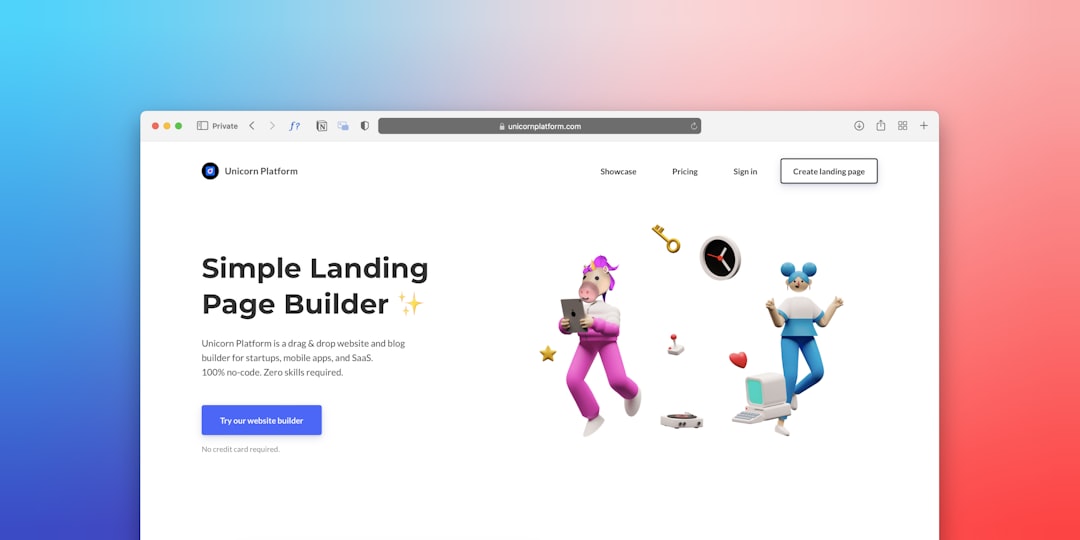
5 Reasons a Simple Website Wins for Local Businesses
Simple Website Advantage for Local Businesses
Local businesses compete for attention in a crowded space. A Simple Website places essential information in front of potential customers quickly, without the clutter that can overwhelm visitors. For many small shops, services, or clinics, the goal is not to showcase every feature but to make it easy for someone to start a conversation or visit the store. A well crafted Simple Website is fast to load, easy to navigate, and clear about what to do next.
The term Simple Website refers to a focused online presence that emphasizes clear messaging, fast load times, and obvious next steps. When a site is simple by design, it becomes trustworthy, easier to maintain, and cheaper to run. In the sections that follow, you will learn practical steps you can apply today to build a local business site that converts while staying easy to manage.
Speed, Clarity, and Conversions: A Simple Website Focus
In local markets, visitors often arrive from mobile devices and expect fast results. A Simple Website reduces the cognitive load by presenting only what matters, such as address, hours, phone, and a clear call to action. By removing unnecessary elements, your site loads faster, ranks better for core keywords, and guides visitors to take action.
Concrete steps to sharpen speed and clarity include choosing a lightweight theme, compressing images, and avoiding large sliders that slow down pages. Here is a practical checklist you can apply now:
- Fewer pages with a clear hierarchy
- High quality but compact images or icons
- Direct calls to action on each page
- Mobile friendly navigation designed for touch
Local SEO and the Power of a Streamlined Site
When a site is straightforward, search engines can understand the local intent more easily. This helps your business appear in local search results and maps when people search for services near you. Use precise location details, consistent business information, and relevant local terms in headings and copy.
Actionable tactics include updating your Google Business Profile, adding your city or neighborhood to page titles, and including a dedicated local contact section. For example, if you run a bakery in Santa Monica, mention Santa Monica in your H1 or H2 where it reads naturally, and embed a map with the business location. These steps improve local signal strength without creating extra complexity.
Design Principles for Small Teams to Succeed
Small teams benefit from design that prioritizes clarity over complexity. The right choices reduce maintenance, keep branding consistent, and make updates easier as your business grows. Focus on a tight content plan, predictable layouts, and accessible typography that works across devices.
Practical steps you can take include applying a simple content hierarchy and using a modular design system that fits inside a shared template. Below is a simple, repeatable approach you can follow:
- Define one clear purpose for each page and align content to that goal
- Limit your color palette to two or three complementary hues
- Choose a legible font stack with appropriate line height
- Use generous whitespace to guide attention and reduce clutter
AI Tools That Help Build a Simple Website
Artificial intelligence can accelerate the creation of a focused local site. You can generate draft copy, create hero images, and assemble layouts without starting from scratch. The goal is to keep the site simple yet professional with content that speaks directly to local customers.
Consider using AI aided tools to produce content ideas, verify consistency across pages, and test different arrangements quickly. For instance, you can draft service descriptions and hours, then adjust based on what resonates with customers. Platforms like MakeWebsite.now illustrate how AI can rapidly produce a visual demo of a simple site, helping you see the result before committing to a build.
- AI assisted copy that matches your tone and local keywords
- Automated image generation for banners and icons
- Layout suggestions tailored for conversion
- Guidance on accessibility and mobile optimization
Common Misconceptions About Simple Websites
Many business owners worry that a simple site means missing features, lower credibility, or fewer ways for customers to engage. In reality a focused site can be more credible because it communicates a clear purpose and provides immediate value. Complexity often hides weak information architecture and slows updates, which hurts experience and SEO over time.
Addressing these worries requires a practical approach. A simple site can include robust contact options, a booking widget, or a straightforward newsletter signup while keeping the page count small. The key is to map user needs to a concise set of pages and ensure every element earns its place.
- Too many features can dilute the message and overwhelm visitors
- Complex sites take longer to maintain and update
- Multiple navigation items can confuse first time visitors
Frequently Asked Questions
What counts as a simple website for a local business
A simple website focuses on essential information and clear actions. It usually includes a homepage, a location page or contact page, and a couple of service or product pages. The design is clean, fast, and easy to update, with a clear path to conversion such as a call or appointment booking.
How many pages should a local business simple website have
Most small local sites work well with 3 to 5 pages. Use a clear structure that covers home, about, services or products, contact, and possibly a local location page. You can add a blog or FAQ if it directly serves customers, but avoid adding pages that do not support your goals.
Can a simple website rank well in local search
Yes. Local relevance comes from accurate information and localized content. Use location keywords in page titles, headings, and meta descriptions, and keep NAP information consistent across the site and business listings. A fast site with mobile friendly design also aids rankings.
What if I need more features later
You can scale gradually. Start with essential pages and core actions, then add features as your business needs grow. Choose a flexible CMS or platform that makes incremental updates straightforward, so you do not rebuild later.
How does AI help when building a simple site
AI can streamline content creation, generate visuals, and suggest layout improvements. Use AI to draft copy and then refine it to your voice. The goal is to accelerate progress while maintaining control over authenticity and local relevance.
Conclusion: Simple Website Strategy for Local Businesses
A Simple Website aligns with the realities of local markets and the needs of small teams. It prioritizes fast load times, clear messaging, and easy maintenance, helping you reach more customers without unnecessary complexity. By focusing on a few core pages and tested calls to action, you can improve conversions and local visibility in a sustainable way.
As you apply these steps, consider using AI aided tools to prototype quickly and validate design ideas before committing to a full build. The result is a practical, effective online presence that grows with your local audience and supports steady business growth.