
5 Key Differences: Website Builder vs Custom Website for Small Business
The Difference Between a Website Builder and a Custom Website
Choosing how to build a business website is one of the first strategic steps for growth. A Website Builder offers templates and drag and drop tools that make it possible to publish quickly without hiring a developer. A Custom Website, by contrast, is crafted from the ground up with tailored code and unique functionality to meet exact needs. Understanding these options helps you align your online presence with your goals, from branding to conversion optimization. In this guide we break down what each path delivers, what it costs, and how to decide based on your current situation and future plans.
This article keeps the focus practical and actionable. You will learn how to compare options, estimate timeframes, and choose the approach that best supports your marketing, sales, and customer service goals. If you are evaluating AI tools or demos to preview how a site might look before you commit, you will also gain ideas on how to test different designs quickly without large upfront investments.
What a Website Builder Can Do for Your Business
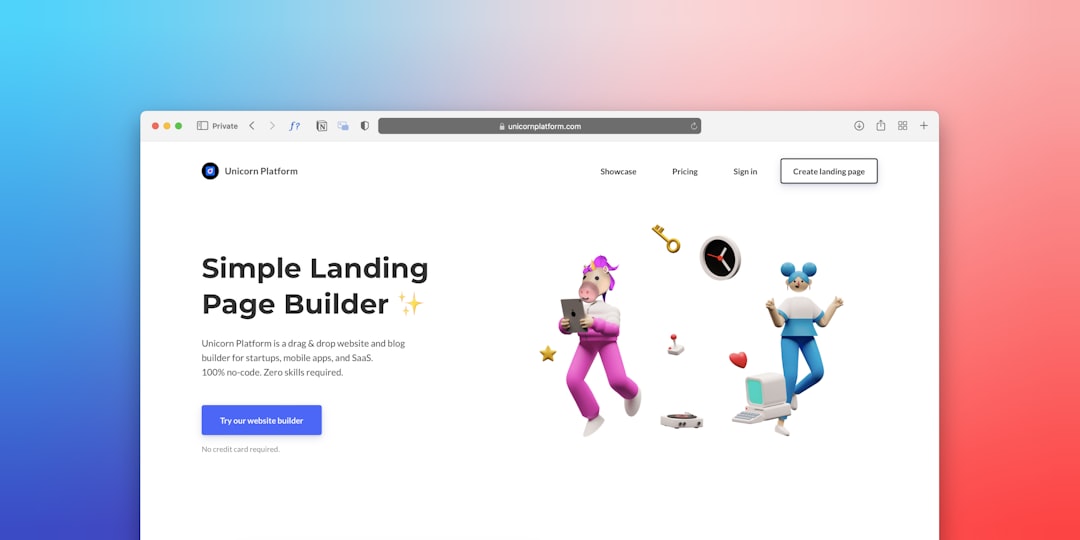
Website Builders are popular for fast setup and predictable costs. They shine in scenarios where speed and simplicity trump heavy customization. Consider what a typical Website Builder can deliver in real world terms:
- Templates and drag and drop design make page creation accessible to non developers
- Built in hosting, maintenance, and security updates reduce ongoing hassles
- Integrated SEO basics and responsive design help your site perform on mobile and in search results
- Pre made widgets for forms, live chat, and analytics streamline lead capture and data tracking
- Limited customization options can feel restrictive when you need a highly unique user experience
For many small businesses the combination of speed and cost is compelling. It is common to start with a Website Builder to validate ideas, then migrate later if the business needs exceed the tool’s capabilities. When you choose a platform in this category, look for features that genuinely support your goals such as flexible templates, strong security defaults, and the ability to export content if you decide to switch tools later. In addition, evaluate how the platform handles updates and third party integrations, because those are frequent sticking points for growing sites.
To illustrate, imagine you run a boutique that sells products online and wants a simple blog to share buying guides. A Website Builder could provide a clean product catalog, a checkout flow, and a recommended reading widget without custom code. On the other hand, if your store requires complex product variants, custom shipping rules, or a bespoke booking system, you may soon feel the constraints of a template based approach.
The Value of a Custom Website for Growth
A Custom Website is built to your exact specifications, which makes it a strong option when your business has unique needs or a long term growth plan. This path often involves working with developers to craft features, performance optimizations, and integrations that align with your processes. Here are some concrete benefits you can expect from a Custom Website:
- Tailored user journeys that align with your sales funnel and analytics strategy
- Advanced integrations with customer relationship management (CRM) systems, inventory software, or enterprise tools
- Optimized performance and security settings tuned to your traffic patterns
- Unlimited design freedom and branding control to deliver a unique brand experience
- Better long term scalability as your site grows and you add new features
In practice, a Custom Website pays off when your business has distinctive requirements that templates cannot accommodate. For example, a professional services firm might need a robust content management workflow, several gated content experiences for lead generation, and a bidding or appointment system that integrates with internal tools. A custom approach makes it possible to design these elements to match your exact processes rather than bending your needs to fit a template.
When considering a Custom Website, plan for the full development lifecycle, including design workshops, technical architecture, implementation, user testing, and ongoing optimization. It is also worth noting that modern custom builds can still embrace performance best practices, search engine optimization fundamentals, and a responsive design that looks great on both desktop and mobile devices. If you want to see how a custom approach might look in your industry, you can explore AI assisted demos to visualize layouts and interactions without committing to a full build.
A Practical Decision Framework
Deciding between a Website Builder and a Custom Website starts with your goals, timeline, and budget. Use this practical framework to guide your choice:
- Define primary goals: Is the site mainly a brochure, a lead magnet, or a transaction engine?
- Estimate your budget and ongoing costs: Consider hosting, maintenance, and future feature needs
- Set a realistic timeline: Are you launching in weeks or months?
- List must have features: Contact forms, booking, e commerce, or member areas
- Evaluate data and security requirements: How will customer information be stored and protected?
- Test design options: Use a preview tool to compare layouts and interactions before building
If you are unsure about the long term, start with a Website Builder for rapid proof of concept. Tools like MakeWebsite.now can help you visualize how a site would look under different design paradigms without committing to code. This approach allows you to compare user flow, branding, and responsiveness side by side, making the decision clearer as your plan matures.
Costs, Timeline, and Quality Tradeoffs
Cost and time are often the deciding factors for small businesses. A Website Builder typically offers a lower upfront investment and a faster path to publication, but may require ongoing platform fees and periodic redesigns if the business grows or shifts direction. A Custom Website involves higher upfront costs and a longer development horizon, but it provides deeper control over functionality and a design that adapts to evolving needs. Here is a practical look at the tradeoffs:
- Upfront cost versus ongoing expenses: Builders tend to have predictable monthly fees; custom builds have larger one time payments plus maintenance bills
- Launch speed: Builders can deliver a site in days to a few weeks; custom projects can take several months depending on scope
- Design freedom: Builders constrain you to templates; custom sites enable pixel perfect branding
- Performance and scalability: Custom builds can optimize for speed and future feature sets; builders may limit low level optimizations
For many businesses a blended approach can work well. Start with a Website Builder to establish a credible online presence and collect data. As needs grow, you can migrate to a Custom Website for deeper customization and integration. If you want to experiment with layout and flow, you can preview different designs with AI driven tools so you can compare experiences before committing to development work.
Remember to plan for ongoing maintenance, content updates, and potential platform changes. A well structured handoff and documentation can keep a custom project sustainable over years, while a builder based site should have a clear upgrade path and knowledge base to avoid lock in.
Addressing Common Misconceptions About Website Builders
There are several beliefs about Website Builders that deserve scrutiny. The first is that templates produce cookie cutter results. In reality, many builders offer modular templates and customization options that allow for unique branding without developer time. The second misconception is that builders cannot support strong SEO. With proper configuration of page titles, meta descriptions, headings, and clean URLs, a site built on a Website Builder can rank well for targeted terms. The third myth is that all custom websites are expensive and risky. A well scoped custom project with clear milestones can deliver excellent value and reduce risk by focusing on essential features first and validating them with real users.
Try testing your ideas with a quick visual prototype before committing to any build. For teams evaluating AI templates, small business owners can use preview tools to simulate navigation flows, CTA placements, and content hierarchy. This approach helps compare outcomes and ensures your final choice aligns with your strategy. If you are considering a combined approach, keep in mind that a custom backend can coexist with a builder front end in some scenarios, providing a balanced path forward.
MakeWebsite.now can assist in the evaluation by showing you how different layouts perform in real time, helping you compare a Website Builder based experience to a custom design before you invest. It is a practical way to gain intuition about what works best for your audience and goals.
Frequently Asked Questions
What is a Website Builder?
A Website Builder is a software tool that allows you to create web pages using templates and drag and drop components. It typically includes hosting, a content management interface, and basic optimization options. Builders are ideal for rapid launches, simple sites, and projects with tight budgets.
What is a Custom Website?
A Custom Website is built from scratch or with tailored components to meet specific requirements. A custom approach enables unique design, complex features, and deep integrations with other systems. It usually involves a longer development cycle but offers higher flexibility and scalability.
How long does a custom website take to build?
Timeline varies with scope, but most mid sized custom projects take several weeks to a few months. Phases typically include discovery, design, development, testing, and deployment. A clear milestone plan helps manage expectations and keeps the project on track.
Can a Website Builder meet my needs if I have complex features?
Some Website Builders can support moderately complex requirements through apps and plugins. For highly customized workflows or unique integrations, a Custom Website or a hybrid approach is often a better fit. It is important to map each feature to a business outcome and assess whether it can be achieved within the builder or requires custom development.
Is it cheaper to start with a Website Builder?
Starting with a Website Builder is typically cheaper upfront and faster to publish. If the business grows beyond what the builder can support, a migration to a custom solution may be worthwhile. Planning for future needs during the initial build helps reduce migration complexity later.
Conclusion: Website Builder vs Custom Website for Strategic Growth
In short, your decision should hinge on goals, budget, and long term strategy. If speed, lower upfront risk, and straightforward maintenance are priorities, a Website Builder often makes sense. If your business requires tailored experiences, deep integrations, and scalable performance, a Custom Website is a better long term asset. Use a practical framework to test ideas, compare layouts, and simulate user journeys before committing to a direction. For many teams, starting with a Website Builder to validate concepts, then moving to a Custom Website as needs evolve delivers the right balance of speed and sophistication. By applying these principles, you can create a strong online presence that aligns with your brand and supports measurable growth. And when you want a fast way to preview different design paths, tools like MakeWebsite.now can provide actionable insights without heavy development work.